'Eczema' is the collective term for any type of dermatitis that is itchy and there are seven main types. Here is a comprehensive list of eczema types, the various symptoms to look for and your best treatment options.
Atopic eczema, atopic dermatitis

Atopic eczema, also known as atopic dermatitis, is eczema with one or more allergies present (atopic = allergy). Atopic is the most prevalent form of eczema and is common in children although it can occur at any age. Triggers of atopic eczema include:
- allergic reactions and food sensitivities,
- skin infection,
- nutritional deficiencies,
- diet high in acid-forming foods,
- soaps and detergents,
- environmental sensitivities, and
- stress
Asteototic eczema, eczema cracquelée

Asteototic eczema, also known as “eczema cracquelée”, mostly affects people over the age of 60. It is described as "cracked porcelain" as the skin appears dry and cracked in a "crazy pavement" pattern (or like a dried up river bed). The irregular scaling of the skin, particularly seen on the extremities of the arms and legs, can also have superficial bleeding fissures as the skin splits from being excessively dry. The inflammation can occur along with asymmetric leg edema.
Asteototic eczema is associated with:
- ageing, excessively dry skin, malnutrition and nutritional deficiencies, particularly the B group vitamins and essential fatty acids,
- use of soaps and detergents (occurring along with contact dermatitis), and
- use of corticosteroid therapy (topical steroid creams), and can occur after discontinuation of use
Contact dermatitis, irritant hand eczema

Contact dermatitis, also known as irritant hand eczema, is the development of skin inflammation by direct contact of the skin, such as from soaps or chemicals. It can also occur via an allergic reaction which is known as allergic hand eczema. Symptoms range from mild dryness and red skin, to very painful and raw skin, peeling and/or a "burnt skin" appearance.
Common triggers include:
- contact with chemicals,
- sensitivity to soaps and detergents,
- stress (very common cause of hand symptoms),
- contact with bleach,
- latex in rubber gloves, and
- nickel in cheap jewellery
and in some instances it can be triggered by
- cold wind, and
- raw foods
Contact dermatitis is common in people who work with chemicals and rough materials, such as hairdressers, metal workers, construction workers and cleaners, and people who wash their hands often including chefs and nurses.
Treatment options for contact dermatitis include avoiding triggers, avoid hand/body washes that contain soap or sulfates and reduce stress.
Discoid eczema/dermatitis, nummular eczema

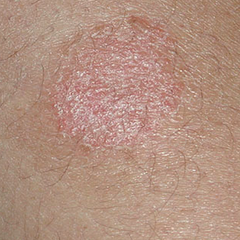
Discoid eczema, also known as nummular eczema, presents with coin-shaped areas of skin inflammation and may appear scattered on the body. Often seen in adults with dry skin and less commonly in adolescents and children. Discoid eczema may occur in conjunction with atopic eczema/dermatitis.
Symptoms include slightly bumpy coin-shaped discs, usually on the lower legs, arms or trunk. Within a week the patches may begin to ooze, and the crusts are itchy, scaly and can become infected. The centre of the disc soon clears but the skin remains dry and it often flakes.
Although discoid eczema can be triggered by many factors, the most common triggers include a predisposition to dry skin and eczema, plus contact with:
- perfumes,
- chemicals and cleaning products,
- soaps, spray deodorants and detergents
Gravitational eczema, varicose eczema, stasis eczema

Gravitational eczema (also called varicose eczema or stasis eczema), is seen on the legs, particularly around the ankles in those who have had long-standing varicose veins for many years. Not only does eczema appear, the skin can also darken and may eventually ulcerate if left untreated. Other symptoms include weeping and crusting and varicose leg ulcers (small holes in the skin which can worsen and become very sore, requiring urgent medical treatment).
Varicose eczema is common later in life and is more common in women than men. If you have poor circulation, varicose veins, are overweight or obese, or if you have previously had a blood clot, you have an increased risk of developing varicose eczema. Poor circulation and varicose veins (the main contributing factors) can be caused by:
- weakened blood vessels caused by poor diet (deficiencies in minerals, including silicon and low intake of antioxidants, to name a few),
- malnutrition,
- ageing which causes poor digestion of foods (and poor absorption of nutrients)
- sedentary lifestyle, and
- being overweight or obese
Pompholyx eczema, dyshidrotic eczema (dyshidrotic dermatitis)

Pompholyx eczema, also called dyshidrotic eczema, presents with blistering on the hands and feet. The blisters can break and weep, and the skin is inflamed and may be very itchy. Peeling can also occur when the skin is very dry. The sides of fingers, palms of hands and soles of feet are affected, although this form of eczema can present with other types of eczema elsewhere on the body. Contributing factors include:
- emotional tension or stress,
- sensitivity to metal compounds (nickel, cobalt, chromate), and
- exposure to heat and sweating can also aggravate this form of eczema.
Pompholyx eczema accounts for 5-20% of all cases of hand eczema. More information on pompholyx/dyshidrotic eczema can be found here.
Seborrhoeic dermatitis

Seborrheic (pronounced seb-or-a-ik) dermatitis is a flaking, itchy skin rash which appears on areas of the skin that have large numbers of oil (sebaceous) glands. It’s also known as seborrheic eczema and usually first appears on the scalp as dandruff. A yeast called pityrosporum ovale (also known as malassezia) is found on the skin of people with seborrhoeic eczema, and is a contributing factor. More information on seborrheic dermatitis can be found here.
If you have symptoms of eczema and you have not seen a doctor, visit your doctor or local skin specialist for a formal diagnosis.
Fischer, K., 2014, 'What are the different types of eczema', www.eczemalife.com
Resources: Australasian College of Dermatologists; Fischer, K. 2014, The Eczema Diet, Second Edition; National Eczema Society, retrieved from www.eczema.org.
READ MORE:
What is the difference between eczema and dermatitis?

Products
At Eczema Life, we recommend nutritionist Karen Fischer's low food chemical program (The Eczema Detox) along with additive-free supplements for skin health and wellbeing. Click on the images to view more details:


5 comments
I am sorry to hear all your stories. It’s painful to see children with eczema as it’s so uncomfortable for them.
I have been dealing with eczema all my life. When I was 6 or 7, I started to have dermatitis plantaris sicca and it lasted for 10 years. I went through a lot of treatments in vain. The symptom disappeared for another 10 years and now I started to have other types of eczema. Sometimes on face that I thought I have roceace and now on my shin and hand.
Through my personal experience with this, I have the following beliefs. I am not a doctor but I researched a fair bit about my conditions:
1.eczema is likely an autoimmune diseases. There is no cause. It’s just your body reacts to irritants in the environment. It’s best to heal ourselves internally through bone broth (I also have some symptoms of leaky gut) and other type of nutrients supplement.
2.I would avoid steroid cream at all cost. It deals with the symptoms but has long term negative impacts on skin and body.
3. Avoid expose the affected areas to elements such as wind or water. I wore socks all the time and I think it might have been one reason why my feet’s dermatitis plantaris sicca improved dramatically.
Apply emollients, I used sorboline. It helps but it is not effective. I use ichthamol and it does reduce the itchiness and redness. I think it’s good to use on face too and it’s quite cheap. You could buy it OTC. I also use coconut oil, tea tree oil and turmeric powder. Coconut oil helps make a barrier between skin and environment. Turmeric and tea tree oil have anti-bacteria and anti-fungal properties. Tumeric is actually very good but it stains your skin yellow so do not use too much on your face. One way of washing turmeric stain on skin is to wash it with cow milk. The fat in the milk will dilute the stain.
I hope some of my sharing could help.
In 2007 I developed Stasis Dermatitis from lack of circulation because the hospital would not x-ray my broken ankle. Since then my foot has broken out periodically and the latest was nine months ago, a couple weeks later blisters appeared on my fingers, a topical steroid was prescribed for my foot but now my hands, foot, legs, hands, neck, back, face and arms are covered with blisters, sores, dry flaky crusty skin and I am in horrible pain. I found that Id reaction can develop in a distant location from the original source when the initial cause is not addressed. The hospital wants to diagnose me with Psoriasis which will keep me in pain for years to come. The only solution to this I can come up with because the steroid treatments have been ineffective is surgery to rebreak and repair the broken ankle. Even though this hospital has approved me for Disability for a broken ankle and Eczema, I know they’re not willing to admit they made a mistake eight years ago or that it’s caused me all this pain and suffering. I believe this hospital would prefer to diagnose and treat me with an incurable disease and blame it’s ineffectiveness on my disbelief of their competence.
Thanks for explaining the differences. I have always suffered from eczema and now my 14 year old daughter does as well. It’s heart breaking to watch her being so self conscious and embarrassed with itchy irrated skin. I’ve spent literally thousands of dollars on products & doctors fees to manage it. I’m now finding that she’s taking more time off of school as well, which bothers me. I’ll do whatever it takes to help her …
I stumbled upon this blog. Thanks for all the information, my 5 month old exclusively BF babe is suffering from eczema and his pedatrician just wants to prescribe steriods. Some days his skin is so bad I want to cry alongside him. It’s nice to know that there are many others in the world dealing with this and he’s not alone.
Thank you so much for this post! I have had eczema since I was little and my 3yr old has inherited it as well. I think I will have to do the eczema diet for both of us – I really dislike that the doctors just prescribe you a steroid cream without looking into internal issues first, and as you have said, the creams only help for a limited time because they’re aren’t actually addressing the real issues causing it.