
FAQ: Do I have to give up coffee and tea while I’m on The Eczema Diet and if so, what are the eczema-friendly alternatives?
People often ask eczema nutritionist and author Karen Fischer “Do I have to give up coffee and tea while on The Eczema Diet or Eczema Detox programs?”. She says, yes but don't worry there are healthier alternatives.
So how do you get your coffee fix without an eczema flare-up?
Karen says “While coffee and tea are rich in salicylates (a natural pesticide which can worsen eczema) and caffeine, an eczema-friendly alternative is decaffeinated coffee without dairy. Favour organic decaf (if available). It tastes the same but without the itch-promoting chemicals."
If you want your decaffeinated coffee with a non-dairy alternative, eczema sufferers can choose organic soy milk (if you are not allergic to soy), Ideally, choose refrigerated soy milk over long life soy milk and most importantly ensure it says ‘organic whole soybean’ so there are no soy isolates or flavourings - soy isolate is the poor quality soy which can contain aluminium.
Organic rice oat or cashew milk is also ok. And if you like it black- use filtered water as tap water contains chlorine which can exacerbate eczema.
Tea time and eczema
Now, in terms of tea, Karen recommends eczema sufferers to stay away from all teas as they are high in salicylates. Salicylates are chemicals found in many fruits and vegetables, herbs, nuts, teas, coffee, wine, beer and spices. Salicylate sensitivity is the most common chemical sensitivity in eczema sufferers and ingesting salicylate-rich foods can worsen eczema symptoms according to research from the RPA Hospital Allergy Unit in Sydney.
What is an eczema safe substitute for tea?
The Eczema Diet and Eczema detox books feature ‘Choco Milk’ which can be served hot or cold. Simply combine ½ teaspoon of carob powder, 1½ cups of dairy free milk (organic soy milk/rice milk) and 1 teaspoon of rice malt syrup if you desire some form of sweetener. (Note coconut syrup and other coconut products are rich in salicylates so avoid these while you have eczema.)
Enjoying an eczema-friendly cuppa and a biscuit...
This decaf coffee is pictured with the ‘New Anzac Cookies’ featured in The Eczema Diet. Most recipes in the book are sugar-free but these cookies are a special treat which can be enjoyed on occasion.
New Anzac Cookies
Makes 20 biscuits; preparation time 15 minutes, cooking time 20 minutes
These sweet Anzac biscuits contain less sugar and more wholemeal goodness than the conventional recipe, and they’re butter and dairy-free. Although this recipe is wheat-free it’s not suitable if you have a wheat allergy or gluten intolerance as most oats and spelt contain gluten. If you need to avoid gluten, choose gluten-free oats and gluten free flour.
INGREDIENTS
METHOD
Preheat the oven to 150°C (300°F). Line two baking trays with baking paper.
In a mixing bowl, combine the oats, spelt flour and sugar. In a small saucepan on high heat, combine the rice bran oil and golden syrup, and heat and mix until the syrup begins to bubble (ensure it does not burn). Promptly add the bicarb soda and mix with a spoon until it foams. Quickly remove the saucepan from the hotplate and pour the hot foaming liquid onto the dry ingredients and mix well. Then add 2 tablespoons of water and mix. The cookie dough should be wet and stick when pressed into shape. Make into approx. 20 small balls (approx. 2cms / 1in wide) and place them on the trays (they will expand so allow room). Bake for 15 minutes or until golden brown.
Eczema books
Karen's latest book The Eczema Detox has a complete guide for all things eczema, including a food intolerance diagnosis program, detox program, baby and children's advice and recipes with mouth-watering images. All recipes are dairy-free and there are plenty of vegan and gluten-free options in the recipe section.
Skin supplements
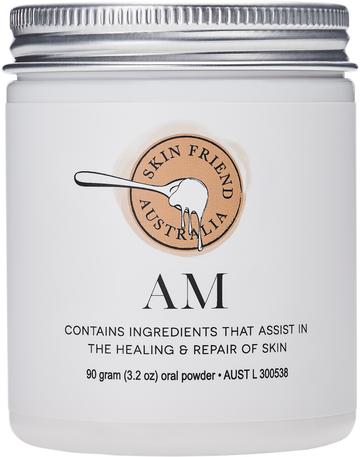
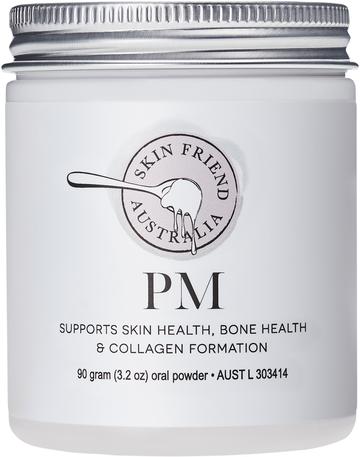
SKIN FRIEND AM and PM are skin detox multi vitamin and mineral supplements that are free of salicylates, gluten, dairy, animal products, colours, rice, soy, nuts, seeds, flavourings and preservatives. They are vegan-friendly and all ingredients are non-GMO.
Products
At Eczema Life, we recommend nutritionist Karen Fischer's low food chemical program (The Eczema Detox) along with additive-free supplements for skin health and wellbeing. Click on the images to view more details:


1 comment
Thank you very much for beneficial information.I will help us suffering from exzema & still enjoy taking a cup of decaffeinated coffee.