While I was doing research for The Eczema Diet I found some ancient medical treatments for eczema, including an eczema treatment dating back as far as Ancient Egypt. I thought I'd share a couple of my favourites...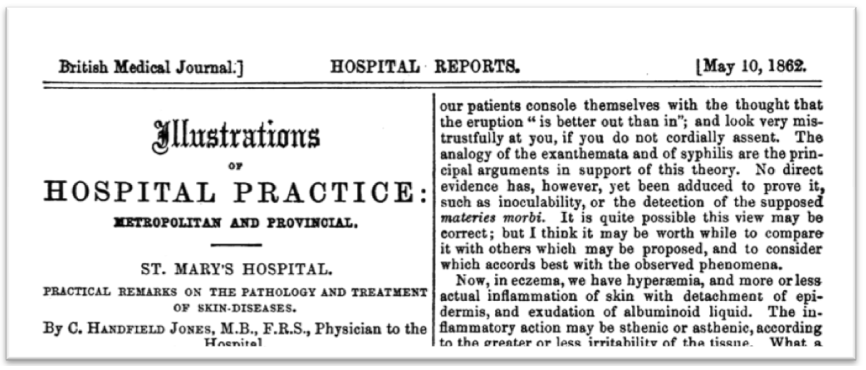
Rotten Cereals from Ancient Egypt
The first documented eczema treatments were found in the papyri of Ancient Egypt. Eczema of the head was treated in the following manner:
“On the first day, the head was painted with a ‘lotion’ of durrameal and fruit-of-the-dompalm, warmed in soft fat and was bound up. On the second day, the head was anointed with fish oil; on the fourth day with abra oil. After this course of intensive treatment, the offending head if the eczema still persisted, was smeared daily with breadmeal and dressed with rotted cereals.” (Wright & Goldman,1979)
The verdict: Today we don’t smear rotten foods on ‘broken’ skin in the hope to cure eczema. It’s a good thing too because food, especially rotting food, can harbour bacteria and enter the skin rash site, triggering potentially dangerous bacterial skin infections. This could actually worsen eczema symptoms and now days if your eczema gets infected antibiotics are prescribed.
While the wise Ancient Egyptians used omega-3 rich fish oil for eczema, these oils can be terribly stinky when applied directly onto the skin and they may not help eczema. It’s better to use eczema-specific or sensitive skin-care products that contain essential fatty acids omega-3.
Also if you’re not allergic to fish simply eat fish twice a week such salmon, sardines or trout, or eat the vegan alternative flaxseeds (also known as linseeds).
Diet for eczema in the 1800s
In the British Medical Journal back in 1882, a doctor described a hospital diet that rapidly cured his eczema-afflicted patients. He documented a particularly ‘hopeless case’ of a nine-year-old boy who had suffered from eczema since he was five months old which was treated unsuccessfully with ointments and heavy metals. He reported: "The child had been under constant medical care, in and out of hospitals for more than eight years and no prescribed treatment, ointment or drug had ever improved his eczema." (The ointment commonly used was Vaseline.) When the body was admitted to hospital for eczema treatment on this occasion, the doctor placed the child on a dairy-free diet which included a special type of broth (fat carefully skimmed off) and baked fish. Within a fortnight the child’s skin showed improvement and a month later his eczema was practically gone and he was discharged from hospital.

The Eczema Diet adheres to these basic principles and it contains an eczema-friendly broth recipe. Modern research has also been helpful in designing this diet, which includes supplements, how to identify food sensitivities and (more importantly), how to prevent food sensitivities over time and how to expand your diet to include your favourite foods.
If you are after a dietary plan for eczema, A low chemical plan as those described in The Eczema Diet and The Eczema Detox is the one I have been prescribing to eczema patients for the past ten years. As I am the author, I do encourage you to do your own research and if you need additional help preventing your eczema, you might consider your diet.
I know I say this a lot but the foods and drinks you consume every day really do make a difference to the quality of your skin. I hope you're eczema-free very soon.
Karen Fischer, 2015, 'Ancient Eczema Treatments, www.eczemalife.com.au
Have you tried dietary changes to treat your eczema?
Products
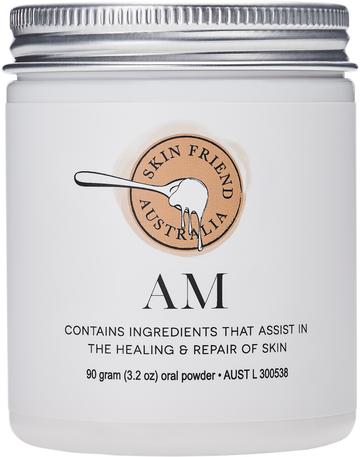
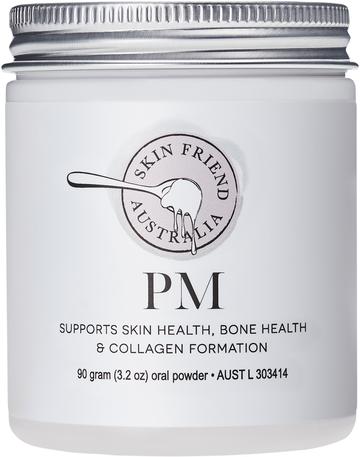
At Eczema Life, we recommend nutritionist Karen Fischer's low food chemical program (The Eczema Detox) along with additive-free supplements for skin health and wellbeing. Click on the images to view more details:


0 comments