
It's almost a year since I began my eczema recovery. You might remember I wrote a post last year about my first experiences in conquering eczema.
It’s been an interesting and exciting journey as I now understand more about my own symptoms and the causes. I have been eczema-free for about nine months, with the occasional relapse when I flew overseas (the plane flight triggered it to come back!).
Below is a summary of what I’ve learned while following The Eczema Diet.
Stage 1 in hindsight
One year ago I began The Eczema Diet and started taking the Skin Friend supplements. I still look back and think about how I took to the Cleanse and Stage 1 and how it can help others going on the diet.
My top tip: pick a few eczema diet recipes to start in order to keep things simple whilst you’re going cold turkey on all the foods you aren’t meant to have. For breakfast I had the oats, I also ate salads for lunch, brown rice pasta and I made the chickpea casserole for dinner. And I made new recipes using the ingredients from the shopping list, such as san choy bau. And I ate tonnes of papaya!
After the adjustment to the new diet has been made, then you can start expanding on the food list. This keeps it simple and doesn’t over complicate. (Karen says variety is important too so ensure you eat foods such as red cabbage for their many healthy benefits.)
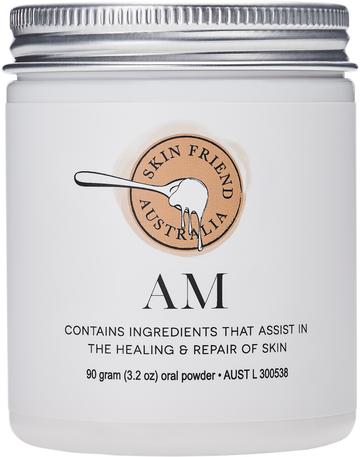
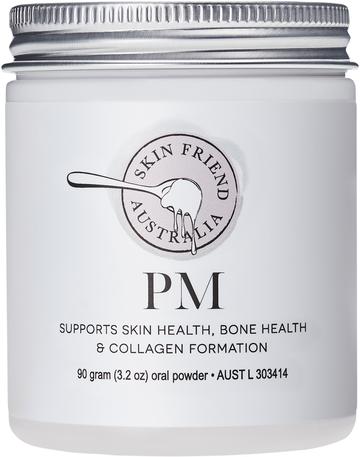
I also know cutting out all other supplements/vitamins (such as herbs) and sticking to the Eczema Diet and Skin Friend AM and PM protocol is the way to go. It gives you a baseline from which to work from and move easily into Stage 2 foods when you think the time is right to expand your diet.
Transitioning from Stage 1 to beyond
I was pretty strict on Stage 1. The timeframe for me was about 6-8 weeks, but I kept doing the Stage 1 diet for the full 12 weeks. Everyone is different. Some people stay on Stage 1 for only a few weeks, others many months. It’s up to you to decide when things seem to be improving enough for you to shift into the next stage.
After the full 3 months of Stage 1 I was feeling that my skin had largely calmed down and was remaining calm. I began reintroducing Stage 2 foods one at a time and seeing how my skin reacted. This helped me to see the foods that worked for me and those that flared up my skin.
Why be strict with Stage 1 of the diet?
Being strict made it much easier to see what my triggers and food sensitivities were.
It’s really important to avoid eating the restricted foods so that when it comes time to experiment and expand your diet (in Stage 2) you really know and understand what’s going on.
Half the frustration with eczema (or any skin inflammation!) is not knowing what’s causing the flare ups. By being strict you can test foods and find the ones that trigger flare ups and cause set backs.
Stumbling into problem areas
I have to admit that my recovery was pretty amazing. So amazing I probably got a little bit too arrogant about it.
Once I was fully into the swing of things, I had cheat days maybe once a fortnight and then once a week, ensuring I had a bit extra of AM and PM on hand to compensate for the cheating. Whenever my skin felt itchy, I would knock back a shot of PM in the evening.
After another couple of months I got pretty relaxed about how often I took AM and PM. Then I went travelling and totally let loose with my diet...
Working out how to travel
I went away over the Christmas break for three weeks and when I left my skin was pristine, probably better than it has ever looked. When I got off the plane and caught up on jetlag after a day or so, I had unfortunately returned to being an eczema sufferer. I hadn’t taken any Skin Friend during the 24 hours of travel, aeroplane food was a concoction of refined white carbs and dairy. It sent me back a few steps.
I went straight to a health food store and purchased a heap of ingredients from The Eczema Diet, including mung beans and red cabbage etc. These seemed to be my safe foods and I ate them with gusto. I took AM and PM every day, and within a week I was completely eczema-free again.
After that I ate whatever I wanted for the remaining two weeks of my time away, ensuring I had linseeds and at least some of the eczema safe foods every day. Somehow, it kept my eczema at bay.
Getting back into routine
I definitely let things slide a bit whilst I was away, which is ok. Coming back my skin wasn’t as clear as it was before and I did have to review things again.
When I first started getting eczema, I had such dry corners of my mouth. They were so dry and raw. I relapsed back into this and started at Stage 1 again, but it didn’t take long to recover, about four weeks.
The dry mouth took a little longer and wasn’t improving. I realised I was no longer having linseeds, so I started taking a tablespoon of linseeds every day (which I still do), in addition to the recommended dose of Skin Friend AM and PM.
Added note: I was also using topical cortisone steroid on one of my fingers, which could get uncontrollably itchy, signalling that I was about to have a reaction to something. It could get so incredibly itchy and I used the steroid in the morning and sometimes at night to alleviate the discomfort. With TSW (topical steroid withdrawal), I did try to limit my use of the cream. I only realised after writing this post that I had stopped using the steroid altogether. It's been so long I had totally forgotten that I was on it.
In review
I still follow the Eczema Diet shopping list because I like the idea of it. I never eat white refined carbs, and being a chocoholic, every once in a while I’ll sometimes treat myself with a small amount of chocolate. I am trying to phase out the chocolate, both for health reasons and eczema, and have started using the eczema diet recommended sweetener on occasion to get a light sugar fix.
It’s important to stress that everybody is different, everyone has different trigger foods. Your own experimentation will reveal what works for your particular circumstances.
As you might know, I now work at the Eczema Life Clinic in Sydney. Feel free to ask me any questions in the comments, I’ll be happy to offer help where I can.
Deb x
NOTE: Our most recent book, the Eczema Detox has been published since this post. Read further on how these two books differ Here
Products
At Eczema Life, we recommend nutritionist Karen Fischer's low food chemical program (The Eczema Detox) along with additive-free supplements for skin health and wellbeing. Click on the images to view more details:


8 comments
Hi Leonie,
Thanks for your comment.
Healing crisis in the beginning of the program is normal. Please read this blog post: https://www.eczemalife.com/pages/eczema-healing-crisis-can-your-eczema-get-worse-before-it-gets-better
Stay persistent and don’t deviate from the diet or take any additional supplements. This reaction that you’re having is a good sign and demonstrates detoxification.
Let me know if you need anything else
Hi
I’ve started the Eczema Diet 3 weeks ago now, I’m 29 and had 3 bad flare ups in my life (including this one) which started 9 months ago and has ended up everywhere!!
I’ve been on a a gut healing diet for 8 of those months but until I found the eczema diet book I didn’t know I was eating foods so bad for me!
The 1st week of the book my skin was healing rapidly, starting with my face, it looked amazing, 2nd week it went crazy!! Itching like I’ve never known and now on week 3 in less itchy, although still itchy and I’m so sore and red again everywhere, I’ve stuck to the diet and supplements am I doing something wrong or is this normal to healing properly?
Any guidance would be so helpful!!
Diet and Stress are a massive part of Eczema and flare-ups, My personal goal is to make more people aware of eczema. I have even started writing my own blogs about my personal experiences and also caring for my sons. I have set up a website where sufferers can share their experiences via blogs and also a facebook group to help and support others who suffer. I wish you all the very best with your own personal struggle with eczema. Good luck
Hi Kimberley,
Everyone is different, so it is hard to say. But once I really committed to the diet and supplements, I was clear within 6 weeks.
I still had a shadow on my face, from where the eczema was, and that went after another 2 months or so.
Thank you for sharing! I’ve had eczema my entire life (25+ years) and it got very bad over the past 6+ months. I started developing it in places where I never had it before specifically face and neck. I started following the Eczema diet about 3.5 weeks ago and am taking Skin AM and PM. I still have good and bad days. It seems like although my skin is getting better I still have it and some days have bad flare-ups. Although I know I’m on the right path it is still upsetting. I wanted to know how long it took for you to be completely clear? I am reading that for some people their skin clears up right away and I feel like I am far from being completely clear.
Great to hear Diane, my Eczema Sister!
Was anything stressing you out? For a while I thought things were stress related.
Helpful post, Deb, thanks. My facial eczema spots looked just like yours. Was symptom free for a few months when a relapse occurred with left puffy eyelid and rash, then dry cracking corners of mouth too. I was able to start right back on track that day by stocking up safe foods including mung beans, making the Tarzan juice, using AM and PM skin friend, and cooking up some bone broth. I think because I caught it early this time, it went away within two weeks. Not sure of what triggered the flare-up, as I’d been symptom free for quite awhile. This absolutely works for me.
I have noticed millia on your face also. I get millia and excema and i wonder if the diet has also cleared your millia?