
The health benefits:
Spring onions (also known as shallots and scallions in some countries) are a part of the onion family and contain histamine lowering, anti-inflammatory quercetin which can help reduce allergies. Like garlic, spring onions also possess antioxidants that convert to allicin when crushed or cut. Allicin has antibacterial, antiviral and antifungal properties. Spring onions are also one of the richest sources of vitamin K, which is vital for skin health.
Edamame is a young soybean, and one of the only plant-based proteins that contain all the essential amino acids required by the body. Our body uses proteins to build and repair tissue, so ensuring enough protein in the diet is essential for healthy skin.
Ocean trout provides a rich source of protein, omega 3, iodine and vitamin D (serum levels of vitamin D have shown to be lower in eczema sufferers). High fish intake during pregnancy is also associated with a decreased risk of eczema.
This recipe serves 2 people. 
NOTES:
If you are following the FID (Food Intolerance Diagnosis program from The Eczema Detox), or are highly sensitive to amines and salicylates you can switch the trout for fresh white fish or any other fresh meat such as chicken.
Citric acid or ascorbic acid can be left out of the dressing recipe if not tolerated.
Edamame beans can be replaced for another bean such as lentils if soy is not tolerated. Moderate salicylate vegetables such as green peas or asparagus could also be used if you can tolerate moderate salicylates.
If you are vegetarian or vegan this salad can be enjoyed on its own or served alongside some tofu marinated in garlic.
INGREDIENTS:
- 1 large piece of fresh, deboned ocean trout. (For a heartier serve use two pieces of trout).
- 1 clove of garlic, crushed
- 1/2 cup of white quinoa
The green vegetables
- 1 cup of washed fresh edamame beans
- 1/2 cup of finely sliced celery
- 2 spring onions finely sliced (about 3/4 cup)
- 1/4 cup of finely sliced chives
- 1/2 cup of roughly sliced parsley
- 2 Brussels sprouts finely sliced (core removed)
The dressing
- 1 teaspoon of rice bran or sunflower oil
- 2 teaspoons of real maple syrup
- 2 tablespoons of filtered water
- 1/8 teaspoon of citric acid or ascorbic acid
- 1/4 teaspoon of sea salt
- 1 teaspoon of garlic powder
METHOD:
Preheat oven to 190°C (375°F)
- Prepare the green vegetables as recommended above and place into a large serving bowl, set aside.
- Rinse the quinoa for about 30 seconds and place in a pot with 1 cup of filtered water. (1 part quinoa to 2 parts water is used when cooking quinoa).
- Cover with a lid and bring to the boil, then remove the lid and turn to a medium heat which will allow for a light simmer. As the water reduces you can continue to turn the heat down so the quinoa remains at a light simmer.
- Once the water has reduced and the quinoa is just cooked turn the heat off, cover with the lid and set aside to continue steaming for another 5 minutes.
Meanwhile
- While the quinoa is cooking you can also begin preparing the trout so they are both ready around the same time. Be sure to keep an eye on the quinoa by reducing the heat as needed whilst you are preparing the trout.
- Mix together 1 crushed garlic clove (or 1 teaspoon of garlic powder) and 2 tablespoons of water in a small bowl or container. Place the trout in the middle of a piece of foil about 30 cm in length.
- Coat the top of the fish with the water and garlic marinade then bring the sides of the foil up around the fish and seal at the top to create a pocket which will seal in the moisture and steam the fish.
- Place the trout in the preheated oven until cooked (about 15 minutes) this may vary depending on the size.
- While the trout is cooking in the oven mix together the dressing ingredients in a mason jar and shake. Adjust taste if needed.

- At this stage, the pot of quinoa should be off the heat with the lid on continuing to lightly cook and the trout ready to take out of the oven. Use a fork to pull off some of the flesh of the fish, if it is cooked it will pull easily with no resistance. If the fish needs a little longer, place it back in the oven for a few extra minutes.
- Scoop the quinoa into the serving bowl with the vegetables and lightly mix all the ingredients together. Stir through the dressing just before serving.
- Serve the trout alongside the salad or pull it apart and place over the top of the salad with some extra parsley and chives.
- Divide the fish between 2 serves, otherwise 2 pieces of fish can be cooked instead if you prefer a heartier meal.

Products
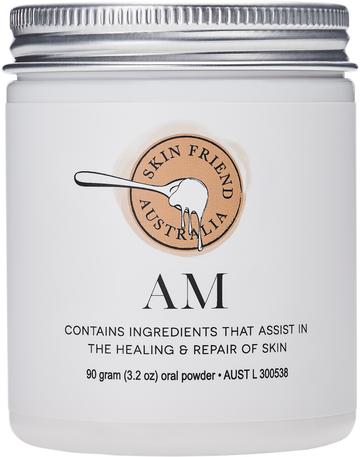
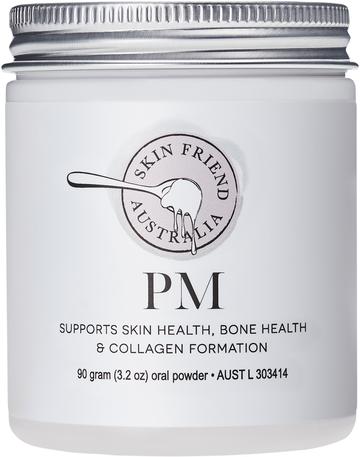
At Eczema Life, we recommend nutritionist Karen Fischer's low food chemical program (The Eczema Detox) along with additive-free supplements for skin health and wellbeing. Click on the images to view more details:

Food photos and recipe by Katie Layland


