Healthy Anzac Cookies Recipe

|Karen Fischer

This recipe is a delicious dairy-free version of an Australian classic, from The Eczema Diet and The Eczema Detox books. The recipe is vegan-friendly and contains less sugar and more wholemeal goodness than the conventional recipe. I'm not a big consumer of sweet foods but I love having an Anzac Biscuit with a cup of carob tea.

My mother makes these every time we visit her in Queensland. She is now 80 and she even uses spelt flour, which she keeps in the cupboard for when we visit.  

The biscuits can be eaten at any time of the year, not just on Anzac day (on April 25th) and you don't have to be an eczema sufferer to enjoy them.

As as sugar is acid-forming in the body, I tend to negatively react to sugar. So when I bake sweet foods I add alkaline fine calcium powder to give the recipe acid-alkaline balance. I find I don't react to sugar when I have the calcium powder at the same time.

This is also a low salicylate recipe so it's ideal for people with skin inflammation such as eczema, dermatitis, TSW (red skin syndrome) and psoriasis. 

Although this recipe is wheat-free it’s not suitable if you have gluten intolerance as spelt and oats contain gluten. If you are gluten intolerant you can use an alternative gluten-free flour, if desired, and choose gluten-free oats. Enjoy!

Anzac cookies (biscuits) image

Makes about 20 biscuits, preparation time 15 minutes, cooking time 20 minutes
Allergy info: contains no salicylates, amines, dairy, soy, animal products or wheat

INGREDIENTS

1½ cups rolled oats

1 cup plain spelt flour, wholemeal

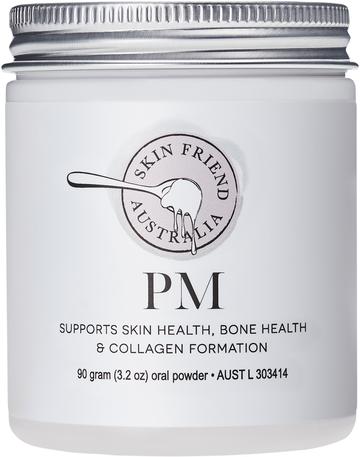
2 scoops fine calcium powder (Skin Friend PM)

2/3 cup maple sugar (see notes)

1⁄2 cup rice bran oil

1 tablespoon real maple syrup

1 teaspoon bicarbonate of soda (baking soda)

1–2 tablespoons filtered water (optional)

METHOD

  • Preheat the oven to 150°C (300°F).
  • Line two baking trays with baking paper.
  • In a mixing bowl, combine the oats, spelt flour and maple sugar.
  • Place a small saucepan over a high heat, then add the rice bran oil and maple syrup, and heat and mix until the syrup begins to bubble (ensure it does not burn). Promptly add the bicarbonate of soda and mix with a spoon until it foams.
  • Quickly remove the saucepan from the heat and pour the hot foaming liquid onto the dry ingredients and mix well.
  • The cookie dough should be slightly wet and stick when pressed into shape. If the mixture is too dry, add 1 or 2 tablespoons of water and mix.
  • Using a dessert spoon and your hands, form the dough into approximately 20 small balls (about 2cm/1 in wide) and place them on the trays (they will expand so allow room between the cookies).
  • Bake for 15 minutes or until golden brown.

Note: If you cannot find maple sugar use organic sugar (ideally only use sugar for special occasions such as Anzac Day and birthdays, as sugar is highly acid-forming and not good for eczema). Raw sugar contains salicylates. Other alternatives include rice malt syrup which is the only alkalising sweetener.

Products 

At Eczema Life, we recommend nutritionist Karen Fischer's low food chemical program (The Eczema Detox) along with additive-free supplements for skin health and wellbeing. Click on the images to view more details:


Copyright 2017 text and photos by Karen Fischer

The Eczema Toolkit

the holistic way to clear skin

The Eczema Detox is Karen Fischer's latest best-selling eczema manual designed to help you find relief. Through her work she found some patients needed a special program to identify personal triggers, so the FID Program was created. The Eczema Clear Skin Toolkit combines gut health and nutrition with soothing, barrier repair skincare and supplements to calm the itch and support skin repair, the immune system and more. If you’ve tried everything and nothing has worked, this is the skin calming toolkit you've been praying for.

learn more

Eczema Friend

the itch buster  |  rash cream

The low pH eczema cream that helps to relieve itchy skin, red skin rash and mild eczema and dermatitis. Suitable for all types of rashes. It's the cream you'll wish you had tried first.

learn more

Frequently asked questions

Does food allergy trigger eczema?

Food allergy and eczema are closely linked, and allergies can absolutely make eczema worse, but they're often not what starts it in the first place. In fact, research suggests the reverse may be more accurate: eczema itself may come first and increase the risk of developing food allergies, rather than the other way around (Tsakok et al. 2016). One study found that babies with eczema were up to six times more likely to become
sensitised to foods compared to those without eczema. In children with established eczema, up to 66% showed food sensitisation, with confirmed food allergy in up to 81% of cases (Tsakok et al. 2016).

If you or your child has a diagnosed food allergy, those foods should be avoided for now. For additional guidance, the Food Intolerance Diagnosis (FID) Program in The Eczema Detox book can help identify food intolerances that do not show up in allergy tests (see next FAQ).

Do food allergy tests help eczema?

Skin prick tests and other food allergy tests including blood tests and patch tests can be unreliable on their own, so an oral food
challenge (supervised by an allergy specialist if you are prone to anaphylaxis), is the most accurate way to confirm whether you or your child is reacting to a particular food. For additional guidance, the FID Program in The Eczema Detox book can help you to identify your personal triggers.

About the authors

Ren Karen Fischer is a nutritionist, mother of two, and award-winning author of seven books, including the bestsellers The Eczema Diet and The Eczema Detox. Fischer is also a peer-reviewed published researcher, and is currently undertaking eczema research as part of a Master's by Research at Bond University. Combining clinical research with real-world experience, she is dedicated to advancing evidence-based care for eczema.

Nutritionist Bonnie Taylor holds a Bachelor of Health Science degree and helps people with eczema identify their individual triggers through the FID Program. Taylor has worked alongside Fischer for many years and offers nutrition consultations by appointment.