Pear and Vanilla Jam - Low Salicylate Recipe for Eczema

|Karen Fischer

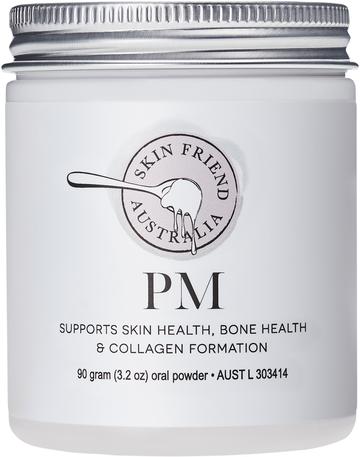
My eight year old son is following The Eczema Diet's low salicylate program so we needed an eczema-friendly treat that was both healthy and delicious (i.e. sweet). So this recipe was created and it's been our saviour - our first jar lasted less than 3 days as the whole family went a little overboard spreading it onto toast. We even mixed the jam into porridge (when we ran out of fresh fruit) and it made porridge a lot more appealing to the kids. We also mixed Jack's serve of Skin Friend AM into a heaped tablespoon of jam so he has his vitamins on sourdough toast.

Why pear jam?
Pears are not only a rich sources of dietary fibre (providing 24% of your daily needs), they also contain 12% of your daily vitamin C requirements, plus vitamin K, potassium and smaller amounts of calcium, magnesium and vitamins B2, B3 and B6. 

Peeled, ripe pears are also naturally low in three of the itchy chemicals - salicylates, amines/histamines and glutamates - which makes peeled, ripe pears one of the few eczema-friendly fruits. 

Why vanilla?

I've added natural vanilla to this recipe to make it a bit fancy and vanilla also has blood sugar balancing properties. However, you don't really need vanilla - it's lovely without it.


Pear and Vanilla Jam recipe for eczema

Photo: This version has a teaspoon of grated beetroot (moderate in salicylates). 

Ingredients

10 medium-sized pears (ripe and peeled)
1/4 cup of filtered water
1 teaspoon vanilla paste or bean, scraped (optional)
1 cup rice malt syrup (you could possibly use 1/2+ cup of real maple syrup instead)
50g packet of Jamsetta or other Jam setting agent (Jamsetta ingredients)
- You will also need to sterilise two medium-sized jars and lids.


Method

Refer to 'How to sterilise jars' before you begin (see bottom of the page).

Dice the peeled pears and place them into a large pot with 1/4 cup of filtered water, vanilla (if using - or you can add the cabbage here) and rice malt syrup or real maple syrup. Cook on medium heat for 20 minutes or until very soft, stirring often and checking it doesn't burn (turn to low as needed). If the pears are ripe, it will soften easily.

For a chunky jam, mash with a potato masher. For a smooth jam, use a bar-mix or other method to puree the jam (caution is needed putting hot liquids into plastic containers, you may need to cool jam first). Personally I like the jam chunky as it's quick and easy. 

Add the Jamsetta (or other jam-setting agent) and mix well. Cook for another ten minutes or so. Meanwhile, to test if the jam will set, place a freezer safe dish into the freezer. Ten minutes later take it out of the freezer and place a teaspoon of jam onto it. If the jam is ready, it will gel/thicken. If it's too thin, refer to the Jamsetta instructions. (I have personally found it always sets as the recipe does not use much water). 


NOTES:
Underripe pears contain salicylates so ensure the pears are ripe. Ripe pears also cook quickly and become a wonderful mussy consistency without the addition of too much water. 
You can also use canned pears in sugar syrup (don't use canned 'pears in juice' as the juice contains salicylates). Drain the juice and adjust the recipe if needed. 


How to sterilise jars

Pear and Vanilla Jam - The Eczema Diet


To sterilise jars, their lids and utensils (ends of the tongs and spoons to pick up the jars and scoop up the jam), boil them for 5-10 minutes in a very large pot with enough water to cover them. To remove equipment, use tongs (remembering to sterilise the ends only). Seal jars with lids while hot to ensure longer shelf life of the product. Product should last for 6 months if the jars are sterilised correctly - however the above recipe is not made with sugar (a good preserver) so I suggest you use the Pear and Vanilla Jam within 10-14 days once the jar is opened, and store the jams in the refrigerator, not the cupboard. 

Products 

At Eczema Life, we recommend nutritionist Karen Fischer's low food chemical program (The Eczema Detox) along with additive-free supplements for skin health and wellbeing. Click on the images to view more details:


The Eczema Toolkit

the holistic way to clear skin

The Eczema Detox is Karen Fischer's latest best-selling eczema manual designed to help you find relief. Through her work she found some patients needed a special program to identify personal triggers, so the FID Program was created. The Eczema Clear Skin Toolkit combines gut health and nutrition with soothing, barrier repair skincare and supplements to calm the itch and support skin repair, the immune system and more. If you’ve tried everything and nothing has worked, this is the skin calming toolkit you've been praying for.

learn more

Eczema Friend

the itch buster  |  rash cream

The low pH eczema cream that helps to relieve itchy skin, red skin rash and mild eczema and dermatitis. Suitable for all types of rashes. It's the cream you'll wish you had tried first.

learn more

Frequently asked questions

Does food allergy trigger eczema?

Food allergy and eczema are closely linked, and allergies can absolutely make eczema worse, but they're often not what starts it in the first place. In fact, research suggests the reverse may be more accurate: eczema itself may come first and increase the risk of developing food allergies, rather than the other way around (Tsakok et al. 2016). One study found that babies with eczema were up to six times more likely to become
sensitised to foods compared to those without eczema. In children with established eczema, up to 66% showed food sensitisation, with confirmed food allergy in up to 81% of cases (Tsakok et al. 2016).

If you or your child has a diagnosed food allergy, those foods should be avoided for now. For additional guidance, the Food Intolerance Diagnosis (FID) Program in The Eczema Detox book can help identify food intolerances that do not show up in allergy tests (see next FAQ).

Do food allergy tests help eczema?

Skin prick tests and other food allergy tests including blood tests and patch tests can be unreliable on their own, so an oral food
challenge (supervised by an allergy specialist if you are prone to anaphylaxis), is the most accurate way to confirm whether you or your child is reacting to a particular food. For additional guidance, the FID Program in The Eczema Detox book can help you to identify your personal triggers.

About the authors

Ren Karen Fischer is a nutritionist, mother of two, and award-winning author of seven books, including the bestsellers The Eczema Diet and The Eczema Detox. Fischer is also a peer-reviewed published researcher, and is currently undertaking eczema research as part of a Master's by Research at Bond University. Combining clinical research with real-world experience, she is dedicated to advancing evidence-based care for eczema.

Nutritionist Bonnie Taylor holds a Bachelor of Health Science degree and helps people with eczema identify their individual triggers through the FID Program. Taylor has worked alongside Fischer for many years and offers nutrition consultations by appointment.