Sautéed Bok Choy and Noodles

|Katie Layland
Certain green vegetables such as broccoli, kale, and spinach can be aggravating to eczema sufferers as they contain what is called a 'triple threat' of food chemicals such as itch-promoting salicylates, amines, and natural MSG. These food chemicals can be  problematic while you have eczema if you are sensitive to salicylates, histamines, or MSG. 
But, this certainly doesn't mean we can't enjoy other green vegetables, one being the humble bok choy. This tasty, slightly crunchy vegetable contains moderate salicylates and is a perfect choice for stir-fries, such as in this super simple side dish which is ideal for a weeknight cook up. 

The health benefits:

Bok Choy ranks high on the list as a rich source of beta-carotene which can help to increase your skin's hydration and protect it from UV sun damage. Bok Choy is also an excellent source of Vitamin C, manganese, and a good source of zinc. 
Bok Choy also contains a high concentration of antioxidant nutrients providing important anti-inflammatory benefits, which is vital for inflammatory skin conditions such as eczema. 

NOTES:

If you are following the FID (Food Intolerance Diagnosis program from The Eczema Detox), or are highly sensitive to salicylates you can substitute Bok choy for a low salicylate vegetable such as Brussels sprouts or cabbage.


Serves: 2-4 as a side dish, depending on appetite 
Prep Time: 15-20 Minutes
Cooking Time: 10 Minutes

INGREDIENTS:

  • 2 bundles of bok choy (they usually come tied together in 1 full bunch).
  • 1/4 cup of thinly sliced shallots
  • 3-4 garlic cloves (depending on taste), crushed or thinly sliced
  • 100 grams of noodles of choice (we used half of a packet of brown rice vermicelli noodles) however, buckwheat soba noodles would also go nicely. You can add more noodles depending on how many you are feeding. 
  • 1-2 teaspoons of rice bran oil or other low salicylate oil of your choice such as sunflower or safflower oil. 
  • 1/4 teaspoon fo good quality salt such as Celtic sea salt. 

Optional extras could include crushed cashew nuts, thinly sliced chives, bean shoots, or edamame beans.

METHOD:

Prepare the noodles of choice as per the packet instructions, we soaked the brown rice vermicelli in boiling water until just soft. 

While the noodles are cooking, slice the shallots, prepare the garlic, and slice lengthwise down the middle of the bok choy to create 4 halves. Set aside. 

Once the noodles are cooked, drain and set aside, then place a medium-sized pan on medium heat. Add the oil (or a dash of water if you prefer) and place the bok choy halves in the pan to quickly sauteed, this is a quick process as they are nice when crispy so it should only take about 40 seconds once the pan is warmed. 

Remove the bok choy and set aside, then using the same pan add the garlic and quickly sauteed, add in the noodles with a pinch of salt. Stir together well, you can add a dash of water if needed, then add the bok choy back to the pan to quickly warm. This process should also be quick as you do not want to overcook the noodles or bok choy. 

Remove everything from the pan and serve in one large bowl or individual bowls. This side dish can be served with your protein of choice such as baked chicken or fish, or tofu for a vegan option. 

Top with the shallots and any other toppings of your choice such as those mentioned above. 


Shop the Story

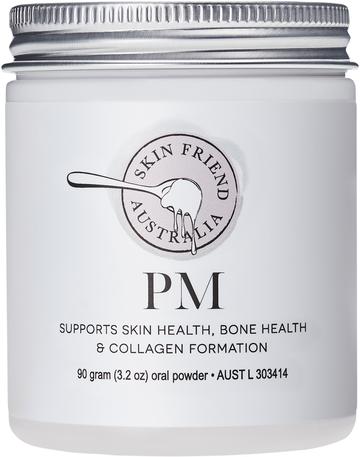
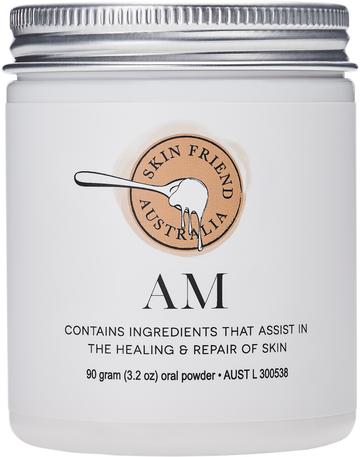
At Eczema Life, we recommend following a low food chemical program based on nutritionist Karen Fischer's 'The Eczema Detox' book. Along with our additive-free supplements for skin health and wellbeing. 

Click on the images to view more details:
    

Food photos and recipe by Katie Layland  


The Eczema Toolkit

the holistic way to clear skin

The Eczema Detox is Karen Fischer's latest best-selling eczema manual designed to help you find relief. Through her work she found some patients needed a special program to identify personal triggers, so the FID Program was created. The Eczema Clear Skin Toolkit combines gut health and nutrition with soothing, barrier repair skincare and supplements to calm the itch and support skin repair, the immune system and more. If you’ve tried everything and nothing has worked, this is the skin calming toolkit you've been praying for.

learn more

Eczema Friend

the itch buster  |  rash cream

The low pH eczema cream that helps to relieve itchy skin, red skin rash and mild eczema and dermatitis. Suitable for all types of rashes. It's the cream you'll wish you had tried first.

learn more

Frequently asked questions

Does food allergy trigger eczema?

Food allergy and eczema are closely linked, and allergies can absolutely make eczema worse, but they're often not what starts it in the first place. In fact, research suggests the reverse may be more accurate: eczema itself may come first and increase the risk of developing food allergies, rather than the other way around (Tsakok et al. 2016). One study found that babies with eczema were up to six times more likely to become
sensitised to foods compared to those without eczema. In children with established eczema, up to 66% showed food sensitisation, with confirmed food allergy in up to 81% of cases (Tsakok et al. 2016).

If you or your child has a diagnosed food allergy, those foods should be avoided for now. For additional guidance, the Food Intolerance Diagnosis (FID) Program in The Eczema Detox book can help identify food intolerances that do not show up in allergy tests (see next FAQ).

Do food allergy tests help eczema?

Skin prick tests and other food allergy tests including blood tests and patch tests can be unreliable on their own, so an oral food
challenge (supervised by an allergy specialist if you are prone to anaphylaxis), is the most accurate way to confirm whether you or your child is reacting to a particular food. For additional guidance, the FID Program in The Eczema Detox book can help you to identify your personal triggers.

About the authors

Ren Karen Fischer is a nutritionist, mother of two, and award-winning author of seven books, including the bestsellers The Eczema Diet and The Eczema Detox. Fischer is also a peer-reviewed published researcher, and is currently undertaking eczema research as part of a Master's by Research at Bond University. Combining clinical research with real-world experience, she is dedicated to advancing evidence-based care for eczema.

Nutritionist Bonnie Taylor holds a Bachelor of Health Science degree and helps people with eczema identify their individual triggers through the FID Program. Taylor has worked alongside Fischer for many years and offers nutrition consultations by appointment.