
The health benefits:
Sweet potatoes are rich in vitamin C, B vitamins, manganese, and beta-carotene which is an important antioxidant that can increase your skin's hydration and improve the health of your skin. Purple sweet potato is also high in anthocyanins, an antioxidant which is fantastic for fighting oxidative stress and inflammation in the body.
Chickpeas are packed with protein and provide a great source of insoluble fibre which helps to keep your gut healthy and happy. Chickpeas are also a rich source of folate and minerals for healthy collagen formation in the skin including iron, manganese, copper and zinc.
 Image: white, purple and orange sweet potato tart
NOTES:
This tart pairs perfectly with the Caramelised Leek Sauce or Parsley Pesto recipes in The Eczema Detox book.
If you are following the FID (Food Intolerance Diagnosis program from The Eczema Detox), or are highly sensitive to salicylates you can substitute sweet potato for peeled white potato.
If you are following the FID program you can try silken tofu instead of the cashew nuts (we have not tried this combination).
Any leftover vegetable slices can be placed on a tray with some oil and cooked in the oven into tasty vegetable 'chips'...yum!
For the chickpea pastry
INGREDIENTS:
We used a quiche dish that measured 25cm by 25cm and serves 5-6 generous sized slices.
- 1 1/2 cups of chickpea (ground besan) flour, plus some extra to flour a chopping board
- 3/4 teaspoon of quality sea salt (use less if desired)
- 1/4 cup of rice bran oil
- 1/4 cup of chilled filtered water
METHOD:
Using a food processor, mix together the flour and salt. Then with the motor running, add the oil through the chute until the mixture resembles breadcrumbs.
Next add the water - enough to the make the dough slightly sticky (if you need more than 1/4 cup, add it one tablespoon at a time).
Using a rolling pin and some extra flour roll out the pastry in individual parts to about 3mm thick then place into your oiled dish, pressing each section together as pictured below. Set aside.


For the creamy vegan sauce
INGREDIENTS:
- 1/2 can white beans - drained and rinsed
- 1/2 cup of soaked raw cashew nuts (must be raw and unsalted)
- up to 1/2 teaspoon quality sea salt (I use 1/4 teaspoon)
- 1.5-2 teaspoon of garlic powder
- Optional: 1/4 teaspoon of citric acid or ascorbic acid
- 2 tablespoons of chives
- 3/4 cup of rice milk or cashew milk (or non-dairy milk of choice)
METHOD:
Place all ingredients in a Nutri-bullet or high powered blender and blend on high until combined (the mixture should resemble a thick cream). Taste and adjust if needed. Pour into a bowl and set aside.
For the vegetable spiral filling
INGREDIENTS:
- 1/4 small leek (for the centre piece, optional)
- 1 medium sweet potato (kumara)
- 1 medium purple sweet potato
- 1 medium white sweet potato
- OR switch for other vegetables of choice such as carrot, white potato or cabbage
- 1 small handful of chives
- 1 small handful of parsley
- One batch of 'creamy vegan sauce' (above)
METHOD:
Preheat the oven to 170°C (340°F).
Rinse your vegetables in water, peel the skin (and discard the skin). Then peel long strips of sweet potato (or other vegetables of choice) using a vegetable peeler. The size of the strips should be around the same height as your tart dish (about 2 cm) and the length of the vegetable.
Keep each vegetable in their same piles so you can create a lovely coloured pattern. You may not need the whole vegetable depending on your dish size, we peeled about 1/2 - 3/4 of each sweet potato (as pictured below).


Take your pastry dish and coat the base of the pastry with a generous layer of cream sauce with a spoon (this will help make it easier for the vegetables to stay in place). Pour the rest of the cream mixture into a bowl which you will use to dip your vegetable strips into.
For variation, we tried one tart with a slice of leek in the middle and the other without, (you can choose either as both worked well). Either place a slice of leek in the middle of the dish or you can begin your vegetable spirals (as pictured, see the non-leek version below).


Take one vegetable slice, dip it into some cream mixture and remove the excess, then roll it into a tight curl. Wrap a slice of the same coloured vegetable around your initial vegetable curl and continue with the same colour at least 6 times then place this in the middle of the dish into the cream sauce.
Continue dipping your vegetables and wrapping them around each other alternating the colours to create a beautiful pattern. If you are using a leek in the middle, wrap your vegetables around the leek using the same method as above.
Continue wrapping your vegetables around each other tightly until you reach the edge. Use a pastry brush to coat the top of the tart with a little extra cream sauce (so it does not dry out).
Place the tart in the oven and cook for about 1 hour (you may need to keep it in there for 10-15 minutes longer if the vegetables need some extra time to soften).
You want to ensure the base does not get too brown so cover the tart with foil if the base is cooking too quickly. We covered the pie for 3/4 of the time with foil to avoid burning.
If the vegetables are looking a little dry you can brush a little water or oil over the top (do not use too much oil, water is the best choice). Once the vegetables are soft, remove the dish and leave for at least 5 minutes before slicing.
Serve as a side dish with your meat or beans or take a slice for an easy work lunch (it is just as tasty cold).
 Image: purple cabbage, carrot and sweet potato tart, with leek in the centre.

Products
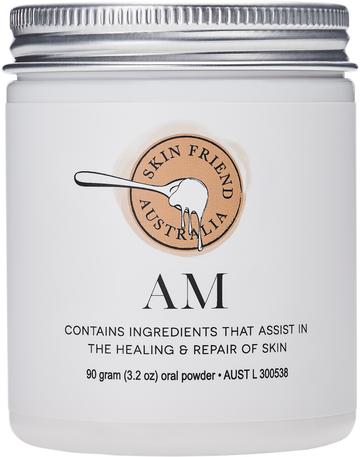
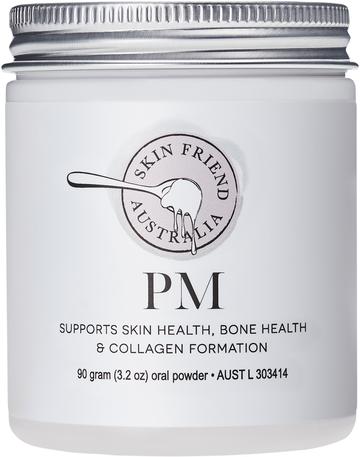
At Eczema Life, we recommend nutritionist Karen Fischer's low food chemical program (The Eczema Detox) along with additive-free supplements for skin health and wellbeing. Click on the images to view more details:

Photos and recipe by Katie Layland


