
The health benefits:
Sweet potatoes are rich in beta carotene, which can help to increase your skin's hydration and protect it from UV sun damage. Sweet potato contains moderate salicylates, so if you are sensitive to salicylates please see the notes below for low salicylate alternatives.
Leeks are anti-inflammatory and alkalising which can be beneficial for those with eczema, as inflammation and excess acidity in the body can contribute to skin conditions such as eczema (along with other causes including genetics and gut health issues). Leeks are a rich source of vitamin K, folate and manganese which is vital for healthy skin.
Brussels sprouts provide fantastic detoxifying and anti-inflammatory support. Interestingly, one of the ways in which Brussels sprouts provide this is through their omega 3 content (omega 3 is anti-inflammatory). About 1.5 cups of Brussels sprouts provides over 1 third of the daily recommended omega 3 intake.
This recipe serves about 4-5 people as a side dish.

NOTES:
If you are short on time, instead of roasting you can peel and cut the sweet potato into chunks and boil them. Mash with milk as recommended in the method section.
If you are following the FID (Food Intolerance Diagnosis program from The Eczema Detox), or are highly sensitive to salicylates you can substitute sweet potato for peeled white potato.
If you are following the FID program leave out the cashew nuts.
INGREDIENTS:
- 1 large sweet potato (or 2 medium sweet potatoes), washed and scrubbed
- 4 cups of Brussels sprouts (cut into quarters)
- 1 serve of Caramelised Leek Sauce from the Eczema Detox book - get the recipe here
- 1 handful of fresh parsley, finely chopped
- 1 handful of raw cashews, roughly chopped (must be raw, not roasted as they are rich in amines when cooked)
- 1/2 cup of dairy-free milk (e.g. rice milk, oat milk or cashew nut milk)
- 2-3 teaspoons of maple syrup
- 2-3 teaspoons of rice bran or sunflower oil (no additives!)
- 5 cloves of peeled whole garlic (or less, if desired)
METHOD:
Preheat oven to 180°C (350°F).
- Place your sweet potato in a large roasting dish and prick it a few times with a fork before placing in the oven. The sweet potato will take about 40 minutes to 1 hour to cook depending on the oven and size of your sweet potato.
- Meanwhile, quarter your Brussels sprouts, place in a bowl and coat well with the rice bran oil, maple syrup and 1 teaspoon of salt. Set aside.
- Make the Caramelised Leek Sauce and set aside.
- When the sweet potato is nearly cooked (about 15 minutes before) remove the roasting dish and arrange the Brussels sprouts evenly around the sweet potato. Place your 5 peeled garlic cloves around the Brussels sprouts and return the roasting dish to the oven until sweet potato is very soft and cooked through. Keep an eye on the Brussels sprouts to ensure they do not burn (turn the heat down if needed).
- When the sweet potato is well-cooked, remove from the roasting dish but leave the Brussels sprouts and garlic in the oven to finish cooking (about 15 minutes more). It took our Brussels sprouts 1/2 hour in total but keep an eye on them as not to overcook, as some ovens are hotter.
- While the Brussels sprouts are still in the oven, allow the sweet potato to slightly cool then remove the skin and place the flesh in a pot on medium heat with 1/2 teaspoon of sea salt and 1/4 to 1/2 cup of dairy-free milk (such as rice milk or cashew nut milk). Mash and stir together until creamy (you may need more or less milk). Turn off the heat.
- Turn off the oven once the Brussels sprouts are lightly browned and remove the roasting tray.
- On a plate, chopping board or in a bowl, spread out your mashed sweet potato and top with Brussels sprouts, cooked garlic cloves, Caramelised Leek Sauce and parsley.
- Serve as a side dish with your favourite meat or beans.

Products
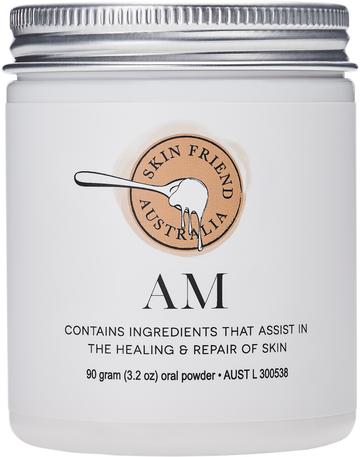
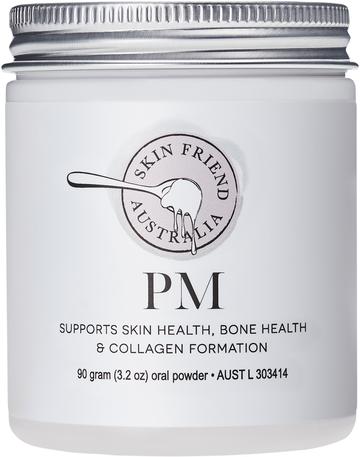
At Eczema Life, we recommend nutritionist Karen Fischer's low food chemical program (The Eczema Detox) along with additive-free supplements for skin health and wellbeing. Click on the images to view more details:

Photos and recipe by Katie Layland


