Can calcium strengthen the skin's acid mantle? - dosages and food sources

|Karen Fischer

Calcium is the most abundant mineral in the body and high levels are found in healthy, rash-free skin. Calcium deficiency signs include eczema, anxiety, hyperactivity, depression, heart palpitations and food sensitivities. Calcium boosts the acidity of the skin’s acid mantle, which can increase the skin’s ability to protect itself against dust mites and infections. Calcium also helps to maintain the right amount of moisturizing lipids in the epidermis layer of the skin by triggering lipid production.

Calcium carbonate is a salicylate sensitivity remedy as it is highly alkalizing and salicylate-free. It helps to quickly alkalize the blood and urine. Research shows the body eliminates excess salicylates when the urine pH reaches 7.5 — and supplementing with calcium carbonate helps you reach this pH, which is how it temporarily reduces salicylate intolerance.

Calcium: dosages and food sources

Calcium (also known as)

Supplement dosages (milligrams per day)

Eczema-friendly food sources

Calcium carbonate 
Calcium citrate* 
Calcium phosphate

Infants (AI)

210–270 mg from breastmilk or hypoallergenic (dairy-free) infant formula

Children + teens

1–4 years: 200–500 mg 
5–12 years: 400–1000 mg 
14–18 years: 600–1000 mg

Adults

600–800 mg

100 g (31⁄2 oz) tofu: 350 mg 
1 cup calcium-fortified soy milk or rice milk: 300 mg 
100 g (31⁄2 oz) sardines: 300 mg^ 
100 g (31⁄2 oz) salmon: 200–300 mg^ 
1⁄2 cup green soybeans: 130 mg 
1 bowl oatmeal/porridge: 99–110 mg 
1⁄2 cup white beans: 96 mg 
160 g (5 1⁄3 oz) fish fillet: 85 mg 
1 cup sweet potato: 76 mg^ 
80 g (3 oz) rainbow trout: 73 mg^ 
100 g (31⁄2 oz) flathead/flounder: 23–55 mg 
1 cup green beans: 55 mg 
100 g (31⁄2 oz) cabbage: 40 mg 
1⁄2 cup celery: 20 mg 
1 cup cooked spelt: 19 mg 
1⁄2 cup leeks: 15 mg

AI: Adequate Intake as per Australian Government guidelines. The RDI is the higher dose, the lower dose is the amount to be taken in supplement form (obtain the remaining RDI via foods).
*Calcium citrate is not part of the program as it is mostly citric acid so it does not have the highly alkalizing effect of calcium carbonate.
**You should obtain the RDI of calcium from both supplements and non-dairy food sources.
^Contains salicylates so this ingredient is not suitable during weeks 1–3 of the FID Program.

Notes: 

  • Take calcium more than 2 hours apart from your medications, iron and zinc supplements.
  • High calcium intake helps to block the absorption of lead and other harmful heavy metals.
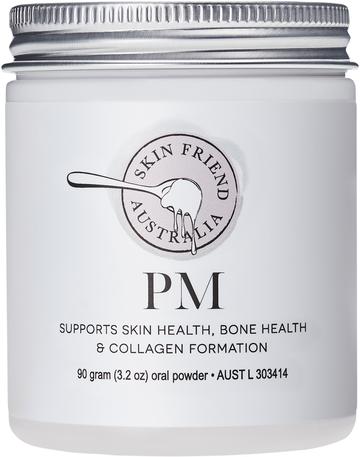
  • If you have an adverse reaction to salicylate-rich foods (for example after eating out), take a serving of Skin Friend PM to temporarily improve symptoms. Calcium deficiency can cause insomnia and poor sleep — so take calcium along with glycine and magnesium to promote a more restful night’s sleep.

Products 

At Eczema Life, we recommend nutritionist Karen Fischer's low food chemical program (The Eczema Detox) along with additive-free supplements for skin health and wellbeing. Click on the images to view more details:


The Eczema Toolkit

the holistic way to clear skin

The Eczema Detox is Karen Fischer's latest best-selling eczema manual designed to help you find relief. Through her work she found some patients needed a special program to identify personal triggers, so the FID Program was created. The Eczema Clear Skin Toolkit combines gut health and nutrition with soothing, barrier repair skincare and supplements to calm the itch and support skin repair, the immune system and more. If you’ve tried everything and nothing has worked, this is the skin calming toolkit you've been praying for.

learn more

Eczema Friend

the itch buster  |  rash cream

The low pH eczema cream that helps to relieve itchy skin, red skin rash and mild eczema and dermatitis. Suitable for all types of rashes. It's the cream you'll wish you had tried first.

learn more

Frequently asked questions

Does food allergy trigger eczema?

Food allergy and eczema are closely linked, and allergies can absolutely make eczema worse, but they're often not what starts it in the first place. In fact, research suggests the reverse may be more accurate: eczema itself may come first and increase the risk of developing food allergies, rather than the other way around (Tsakok et al. 2016). One study found that babies with eczema were up to six times more likely to become
sensitised to foods compared to those without eczema. In children with established eczema, up to 66% showed food sensitisation, with confirmed food allergy in up to 81% of cases (Tsakok et al. 2016).

If you or your child has a diagnosed food allergy, those foods should be avoided for now. For additional guidance, the Food Intolerance Diagnosis (FID) Program in The Eczema Detox book can help identify food intolerances that do not show up in allergy tests (see next FAQ).

Do food allergy tests help eczema?

Skin prick tests and other food allergy tests including blood tests and patch tests can be unreliable on their own, so an oral food
challenge (supervised by an allergy specialist if you are prone to anaphylaxis), is the most accurate way to confirm whether you or your child is reacting to a particular food. For additional guidance, the FID Program in The Eczema Detox book can help you to identify your personal triggers.

About the authors

Ren Karen Fischer is a nutritionist, mother of two, and award-winning author of seven books, including the bestsellers The Eczema Diet and The Eczema Detox. Fischer is also a peer-reviewed published researcher, and is currently undertaking eczema research as part of a Master's by Research at Bond University. Combining clinical research with real-world experience, she is dedicated to advancing evidence-based care for eczema.

Nutritionist Bonnie Taylor holds a Bachelor of Health Science degree and helps people with eczema identify their individual triggers through the FID Program. Taylor has worked alongside Fischer for many years and offers nutrition consultations by appointment.