
If you have eczema, you are probably stressed, and maybe a little anxious or depressed. Hopefully you have learnt to manage stress - with mindful breathing - but often it's hard to 'just relax' when your skin is flakey, red and incredibly itchy.
Nearly every new eczema patient I see is stressed, anxious or depressed. Sometimes all three! So it's important to look for underlying nutritional deficiencies as they could be worsening the symptoms.
Each week I am posting information on vitamins and minerals so you can see for yourself how good nutrition can help to manage and alleviate your symptoms.
Vitamin B1 benefits
Vitamin B1 (also known as thiamine), plays a big part in energy production, which occurs after you have consumed carbohydrates and fats in a meal.
Vitamin B1 is important for the correct functioning of many different body functions such as the digestive tract and nervous system. In fact, without vitamin B1 in your diet you could become constipated or anxious.
According to researchers at the University of Maryland Medical Centre, the B-group vitamins, including vitamin B1, work together to support healthy skin, hair, liver and eye function.
Vitamin B1 and liver detoxification of chemicals
This is why I love vitamin B1...
Along with vitamin C and other B vitamins, thiamine (vitamin B1) plays an important part in your liver's ability to detoxify chemicals. Without vitamin B1, and other supporting nutrients, chemicals can build up in your bloodstream and cause sensitivity reactions.
Poor detoxification of chemical will also worsen conditions such as eczema and topical steroid withdrawal as your skin and digestive tract will have an increased chemical load to deal with when your liver is under functioning.
So while vitamin B1 does not directly prevent eczema, supplementing with a combination of vitamin B1 and other liver detoxification nutrients gradually reduces and prevents food chemical intolerances - and this helps to prevent eczema and other skin rashes.
Vitamin B1 and stress
Vitamin B1 is often referred to as an 'anti-stress' vitamin, along with the other B-group vitamins.
Vitamin B1 deficiency signs
Early symptoms of thiamine deficiency include anxiety or depression, muscle weakness, impaired memory and loss of appetite.
Vitamin B1 deficiency can result in a disease called Beri Beri, which includes symptoms such as emotional disturbances, swelling, pain and weakness of the limbs, weight loss, vomiting, swelling of lower legs and irregular heartbeat.
Vitamin B1 is so important that it is routinely added to commercial bread to avoid widespread deficiency in developed countries such as Australia.
Do the following questionnaire to see if you have signs of thiamine deficiency:
Do you experience any of the following on a regular basis or on a reoccurring basis?
Vitamin B1 deficiency signs |
|
Abnormal eye movements Anxiety and/or depression Burning/hot feet Constipation Irritability Loss of appetite Muscle loss (atrophy) Pins and needles or numbness Poor circulation Rapid heartbeat Diabetes (type 2) |
If you answered yes to 3 or more signs you could have a deficiency. Note not all symptoms will be present in the one person. As with all health questionnaire results, also check with your doctor to rule our more serious health problems.
Vitamin B1 dosages and food sources
|
Vitamin B1 |
Supplement dosages (milligrams per day) |
Eczema-friendly food sources |
|
Also known as: Thiamine Thiamin |
Infants (AI) 0.2-0.3 mg from breast milk or hypoallergenic (dairy-free) infant formula Children (RDI) 1–4 years: 0.4–0.5 mg 5–12 years: 0.6–0.9 mg 13–18 years: 1.1–1.2mg Adults (RDI) 1.1 to 1.2 mg |
1 cup navy beans: 0.43mg 1 cup black beans: 0.42mg 1 cup lentils: 0.33mg ¼ cup (2oz) oats: 0.33mg 2 tablespoons flaxseeds: 0.23mg^ 1 cup (8oz) sweet potato: 0.21mg^ 1 cup (8oz) Brussels sprouts: 0.17mg 1 cup cabbage: 0.11mg 1 scoop Skin Friend AM: 0.67mg (child dose) 2-3 scoops Skin Friend AM: 1.35mg- 2mg (teen and adult dose) |
- AI = Adequate Intake as per Australian Government guidelines
- RDI – Recommended Daily Intake as per Australian Government guidelines – shown on the table as the lowest dose. The higher range covers the therapeutic range.
- ^Contains salicylates (not suitable during weeks 1–3 of the FID Program)
Important notes about B-group vitamins
When taking any kind of B vitamins, keep the following nutrition rules in mind:
- As B-group vitamins are acidic, avoid mega-doses above 15 mg, especially if you have eczema.
- In order to prevent deficiencies of other B vitamins, take vitamin B1 in supplement form along with other B vitamins, not as a single supplement.
FAQ: "Why is vitamin B1 added to Skin Friend AM?"
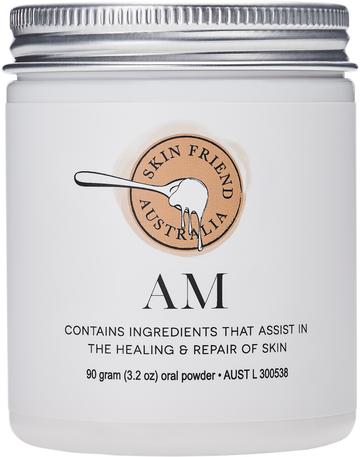
Skin Friend AM contains vitamin B1 and other B vitamins to boost liver detoxification of chemicals and prevent deficiency. More information can be found below.
Authors: Fischer, K. and Layland, K., 2017 'Feeling stressed? Vitamin B1 deficiency signs, symptoms and benefits', Eczema Life Clinic.
Products
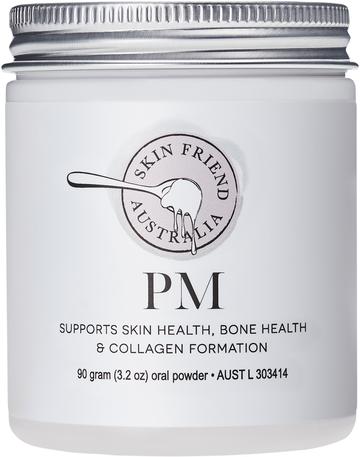
At Eczema Life, we recommend nutritionist Karen Fischer's low food chemical program (The Eczema Detox) along with additive-free supplements for skin health and wellbeing. Click on the images to view more details:


Supporting research
D'Amour, M.L., Bruneau, J. and Butterworth, R.F., 1991. Abnormalities of peripheral nerve conduction in relation to thiamine status in alcoholic patients. Canadian Journal of Neurological Sciences/Journal Canadien des Sciences Neurologiques, 18(02), pp.126-128.
Rabbani, N. and Thornalley, P.J., 2011. Emerging role of thiamine therapy for prevention and treatment of early‐stage diabetic nephropathy. Diabetes, Obesity and Metabolism, 13(7), pp.577-583.
Stanton, R, 2007, Vitamins, 'Rosemary Stanton’s Complete Book of Food and Nutrition', pp 470-471.
Costantini A, Pala MI. Thiamine and fatigue in inflammatory bowel diseases: an open-label pilot study. J Altern Complement Med. 2013;19(8):704-8.
University of Maryland Medical Centre, 2015, Vitamin B1 (Thiamine) retrieved from http://www.umm.edu.
Photo by Karen Fischer: lentils, oats and black beans (ceramic plate by Made of Australia); and the drink is Skin Friend AM mixed into water.


