By Bonnie...
Eczema…or as my Mother prefers to call it f**** eczema (and she never swears) describes an inflammatory skin condition that can cause skin irritation, oozing blisters, and itchy rashes.
I struggled with eczema for many years, from early childhood through to my teenage years, with the occasional flare still to this day. I have tried creams, acupuncture, ointments, medications, herbs, hypnotherapy, zinc wraps, and salt baths…you name it, I tried it! One of the key turning points for me was when I read ‘The Eczema Detox’ by Karen Fischer. I had a ‘light bulb’ moment! The information empowered me to really understand the underlying issues causing eczema, and the types of foods to embrace that heal rather than inflame the skin.
Eczema foods
By following the programs in The Eczema Detox my gut, skin, and mental health began to heal. I completely altered my diet by incorporating the best foods for eczema (see below) and eliminated the worst. This was not a quick journey at all, however through patience, a new mindset, and a fresh apron, my eczema slowly retreated…and please believe me that yours can too!
As you make changes to your food choices, ditching those ‘not so healthy’ foods and you start seeing positive changes, it becomes easier to embrace as the healing begins. Nourishing your skin by consuming the best foods for eczema is essential if you want to ‘ditch the itch’!
The best foods for eczema include ones that contain no salicylates or are low in salicylates, amines, and MSG (glutamates). Once these foods have been avoided for a period of time, it is easy to diagnose salicylate sensitivity, through the FID program (found in the Eczema Detox book).
Top 5 Foods for Eczema
So, how exciting to discuss the top 5 best foods for eczema sufferers and the reasons why you should include them in your diet.
Mung Bean Sprouts
Mung bean sprouts are one of the few strongly alkalizing foods available making them an important vegetable for eczema sufferers. Alkalizing foods can help to give a lovely, healthy glow to your skin. They contain magnesium, vitamin K (vital for healthy skin), folate, potassium, and vitamin C and are salicylate-free. Sprouting your own mung beans is easy and the recipe can be found in The Eczema Detox.
Red Cabbage
Cabbage is another alkalizing vegetable, rich in vitamin C, folate, and anti-cancer indoles. Red cabbage is a better option as it contains double the amount of dietary fiber compared to regular cabbage and has protective purple pigments which are powerful flavonoids that have a skin-protective effect against UV sunlight when consumed frequently.
Spring onions
Spring onions or shallots as they can be referred to are part of the onion family and contain histamine-lowering, anti-inflammatory quercetin, folate, vitamin C, beta-carotene and lutein and are one of the richest sources of vitamin K. Research suggests that spring onions may lower cholesterol levels, decrease the risk of heart attacks and strokes and have antibacterial and antifungal properties, so it's a beneficial ingredient for preventing Candida albicans infestation.
Try our tasty Vegan Chive Dressing which heroes spring onions. Packed with flavor, this dressing would go nicely in salads, as a dip for vegetables, or a sauce for crispy chicken (found in the Eczema Detox book).
Papaya
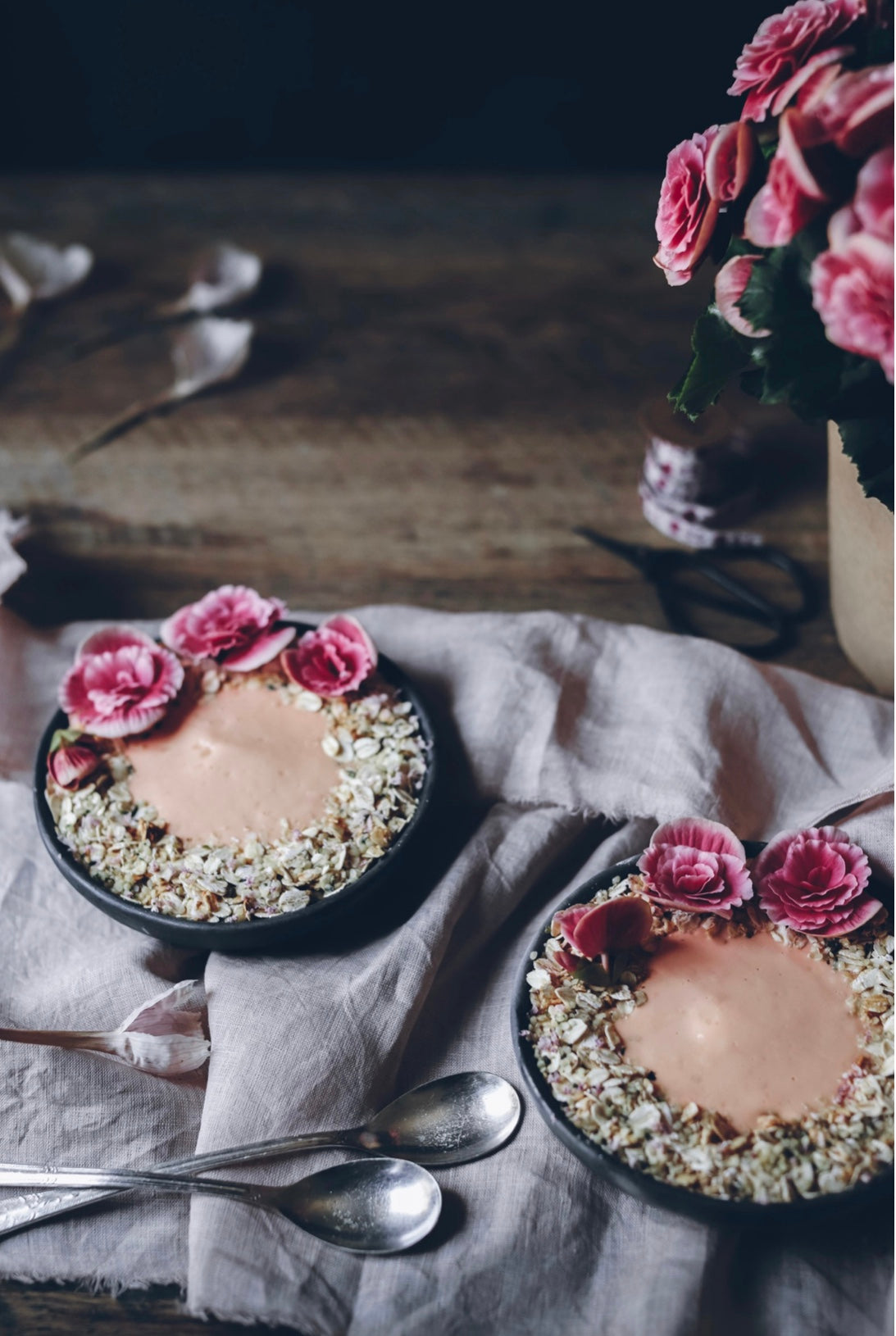
Ahhhh Papaya (or pawpaw) in my opinion is the goddess of eczema fighting foods. Papaya is a natural digestive aid that promotes healthy gut flora. It is also slightly anti-inflammatory and can help to prevent constipation. It is packed with vitamin C, lycopene, folate, beta-carotene, magnesium, and vitamin B5 for healthy skin.
Get your daily serving of Papaya with our skin glowing Papaya Beauty Smoothie bowl recipe.
Note: Papaya and pawpaw are considered low in salicylates. Both contain moderate amounts of amines so if you are highly sensitive to amines avoid both papaya and pawpaw.
Brussel sprouts
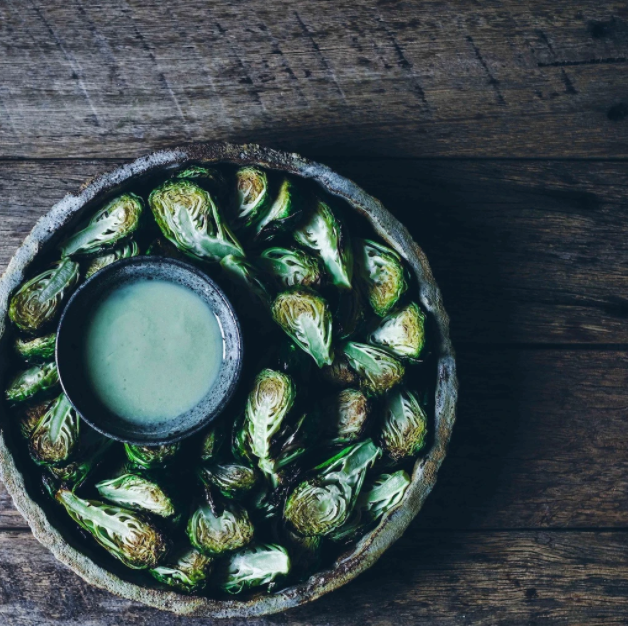
Brussels sprouts help your skin through their omega-3 content which is anti-inflammatory. About one and a half cups of Brussels sprouts provide over one-third of the daily recommended omega-3 intakes for adults. According to the research, Brussels sprouts can also lower cholesterol and help to protect against cancers, thanks to four types of glucosinolates.
Think Brussel sprouts are boring...think again! Our Roasted Brussel Bites (pictured at the beginning) are delicious and provide fantastic detoxifying and anti-inflammatory support for your skin.
More about the best foods for eczema
You can find more detailed information on the best foods for eczema, diet programs to heal your skin, up to date research, evidence, and further inspiring recipes by reading The Eczema Detox book found here. It is truly the best investment for your skin and overall wellbeing.
Make sure you're signed up to our Newsletter at skinfriend.com (scroll to the bottom) for regular recipes, tips, and up-to-date information on skin health.
Much love (and happy skin)
xx Bonnie
Shop the Story


0 comments