Loaded Sweet Potato Fries (with Eczema Friendly Ingredients)

|Katie Layland
This eczema friendly take on loaded sweet potato fries substitutes 'itch promoting salicylates (typically found in Mexican foods such as tomatoes and spices), for alkalising cabbage, high fibre beans, vegan cashew cream and anti-inflammatory spring onion. This dish will be loved by all the family for an easy weeknight meal and perfect for lunch the following day.

The health benefits:

Spring onions (also known as shallots and scallions in some countries) are a part of the onion family and contain histamine lowering, anti-inflammatory quercetin which can help reduce allergies. Like garlic, spring onions also possess antioxidants that convert to allicin when crushed or cut. Allicin has antibacterial, antiviral and antifungal properties. Spring onions are also one of the richest sources of vitamin K, which is vital for skin health.

Black beans are surprisingly high in anthocyanins (an antioxidant more commonly associated with brightly coloured vegetables and fruits). Studies have shown, however, the humble black bean is notably rich in this antioxidant, as well as the flavonoid quercetin (which is known for its anti-histamine properties). Black beans are also rich in nutrients like molybdenum, folate and copper.

NOTES:
If you are following the FID (Food Intolerance Diagnosis program from The Eczema Detox),  substitute sweet potato for white potato and cos lettuce for iceberg lettuce. Cashew nut butter can be replaced for sesame-free hummus or another FID friendly sauce.
Meat can be used in place of the beans if you prefer, such as slow-cooked lamb or chicken. 

INGREDIENTS:

  • 2 medium-large sweet potatoes (peeled) 
  • 1 batch of Cashew Nut Butter or Vegan Mozzarella
  • 3/4 cup of finely chopped shallots
  • 2 cups of finely sliced red cabbage
  • 2 x 425 gram can of black beans
  • 1 x 425 gram can of lentils
  • 1 -2 cloves of fresh crushed garlic or garlic powder
  • 1 teaspoon of good quality sea salt (such as Celtic sea salt)
  • 1/2 teaspoon of ascorbic acid or citric acid 
  • 3 teaspoons of maple syrup
  • 1.5 cups of filtered water
  • 1 bunch of baby cos lettuce
  • rice bran oil or sunflower oil for cooking

METHOD:

Preheat the oven to 220°C (430°F). 

Boil the kettle then cover the raw cashew nuts in a bowl with boiling water to soak.

Peel and cut the sweet potatoes into thick chips and place onto a baking tray so they are not touching each other (this will stop them from becoming too soft). If needed use another baking tray. Cover the chips with 1-2 teaspoons of rice bran or sunflower oil. 

Place the sweet potato chips into the oven, the chips should take a total of about 30-40 minutes. Turn them over halfway through as they begin to lightly brown.  

Meanwhile...
Drain the cashews from the bowl and make the cashew nut butter or vegan mozzarella (links above). If using the cashew nut butter, add more water to thin out the consistency and a dash of garlic powder for additional flavour. Set aside.
Finely chop the red cabbage and shallots. Set shallots and 3/4 cup of red cabbage aside as toppings. 
When the sweet potatoes are not far off, place a large pan on medium heat and add the remaining 1 cup of cabbage and crushed garlic to saute. Add the beans and cook until lightly coloured then add water, salt, maple syrup and ascorbic acid. Bring to the boil then reduce heat to a simmer and let the water reduce down. Taste and adjust. 

At this stage, the sweet potatoes should be cooked, remove from the oven and either keep in the tray (be careful as it will be hot) and add other ingredients on top or move to a different serving plate. Any leftover cashew cream can be served in a bowl alongside the loaded fries for additional topping. 

Top the sweet potato with the bean mixture, cabbage, cashew cream and shallots. Serve alongside the baby cos lettuce cups as this can be used to scoop the mixture inside and top with some addition cashew cream. 

Products 

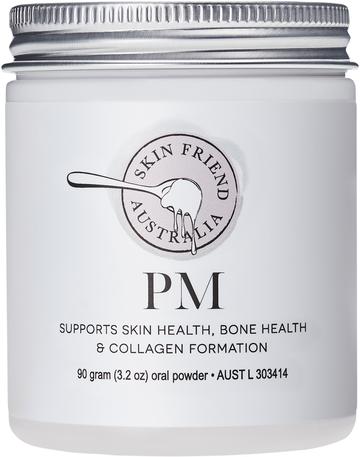
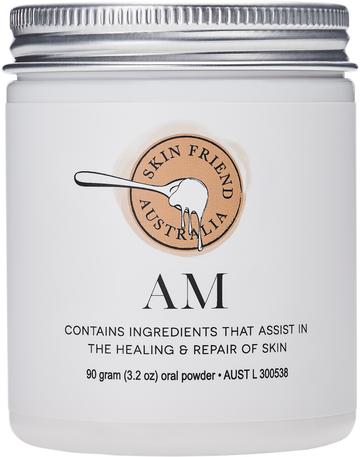
At Eczema Life, we recommend nutritionist Karen Fischer's low food chemical program (The Eczema Detox) along with additive-free supplements for skin health and wellbeing. Click on the images to view more details:
    

Food photos and recipe by Katie Layland  

The Eczema Toolkit

the holistic way to clear skin

The Eczema Detox is Karen Fischer's latest best-selling eczema manual designed to help you find relief. Through her work she found some patients needed a special program to identify personal triggers, so the FID Program was created. The Eczema Clear Skin Toolkit combines gut health and nutrition with soothing, barrier repair skincare and supplements to calm the itch and support skin repair, the immune system and more. If you’ve tried everything and nothing has worked, this is the skin calming toolkit you've been praying for.

learn more

Eczema Friend

the itch buster  |  rash cream

The low pH eczema cream that helps to relieve itchy skin, red skin rash and mild eczema and dermatitis. Suitable for all types of rashes. It's the cream you'll wish you had tried first.

learn more

Frequently asked questions

Does food allergy trigger eczema?

Food allergy and eczema are closely linked, and allergies can absolutely make eczema worse, but they're often not what starts it in the first place. In fact, research suggests the reverse may be more accurate: eczema itself may come first and increase the risk of developing food allergies, rather than the other way around (Tsakok et al. 2016). One study found that babies with eczema were up to six times more likely to become
sensitised to foods compared to those without eczema. In children with established eczema, up to 66% showed food sensitisation, with confirmed food allergy in up to 81% of cases (Tsakok et al. 2016).

If you or your child has a diagnosed food allergy, those foods should be avoided for now. For additional guidance, the Food Intolerance Diagnosis (FID) Program in The Eczema Detox book can help identify food intolerances that do not show up in allergy tests (see next FAQ).

Do food allergy tests help eczema?

Skin prick tests and other food allergy tests including blood tests and patch tests can be unreliable on their own, so an oral food
challenge (supervised by an allergy specialist if you are prone to anaphylaxis), is the most accurate way to confirm whether you or your child is reacting to a particular food. For additional guidance, the FID Program in The Eczema Detox book can help you to identify your personal triggers.

About the authors

Ren Karen Fischer is a nutritionist, mother of two, and award-winning author of seven books, including the bestsellers The Eczema Diet and The Eczema Detox. Fischer is also a peer-reviewed published researcher, and is currently undertaking eczema research as part of a Master's by Research at Bond University. Combining clinical research with real-world experience, she is dedicated to advancing evidence-based care for eczema.

Nutritionist Bonnie Taylor holds a Bachelor of Health Science degree and helps people with eczema identify their individual triggers through the FID Program. Taylor has worked alongside Fischer for many years and offers nutrition consultations by appointment.